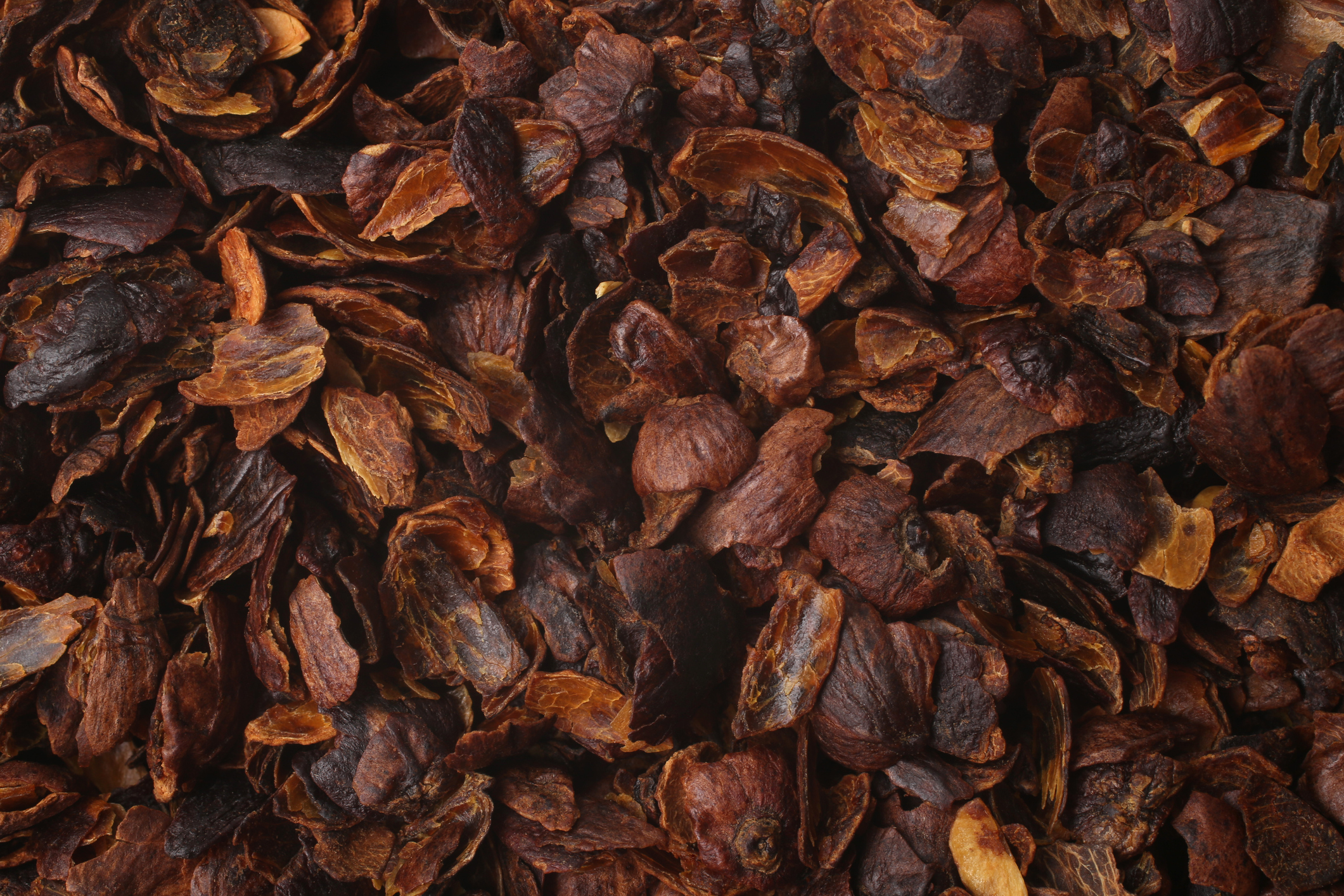
ABOUT CASCARA

Coffee cherries – the fruit of the coffee plant – are made up of several layers: the skin, pulp, mucilage, parchment, silverskin, and the coffee beans we use to make coffee. But where does cascara come from, and what exactly is it? Do coffee cherries contain caffeine? What does cascara taste like, and why should you try it? Read more in our articles.

List of articles

Why cascara? Healthy energy that tastes good

Cascara has been known around the world for a long time, and now it's finally starting to gain fans in Slovakia too. But why choose cascara over all the other drinks out there? What is the difference between cascara and coffee and what benefits does it offer? Let’s take a closer look and discover what makes cascara so special.

Cascara vs coffee

You've probably already asked yourself: “What is the difference between coffee and cascara?” One thing is for sure – they both come from the coffee plant. But despite their common origin, these two beverages are different in many ways – not only in their texture, but also in their characteristics, taste, and effects.
 

📌 Production: The fruit of the coffee plant = coffee cherry is a berry that consists of several parts. While coffee comes from the beans of the coffee cherry, cascara is the dried skin and pulp of the coffee cherry.

📌 Preparation: The process for preparing cascara is quick and easy: the dried skin and pulp are poured with hot water and steeped like tea. Coffee, on the other hand, has to go through a longer process - from roasting, grinding to final preparation (e.g. through a filter, in a moka pot, espresso, etc.).

📌 Flavour: Cascara’s flavour is completely different from coffee – it is characterised by a delicate sweet and fruity taste, with notes of rose hips, hibiscus, raspberries and citrus. With quality cascara, you get all the taste without the bitterness usually found in coffee.

📌 Caffeine content: Both beverages contain caffeine and are a natural source of energy. Coffee has significantly more caffeine than cascara, but the final amount depends on how the beverage is prepared.

For comparison: While 200 ml of filtered coffee contains around 80-100 mg of caffeine, 200 ml of cascara tea contains around 20-50 mg (depending on the length of infusion and the type of cascara).
In general, we can compare it to the amount of caffeine contained in green tea, which is around 17-38 mg.

Cascara strikes the perfect balance between coffee and tea: it gives you energy, yet it is gentle enough to enjoy more of it, even later in the day.

📌 Use: Thanks to its pleasant, universal taste the use of cascara is versatile: from teas, lemonades, iced teas, as an ingredient in alcoholic beverages to cold brew or cascara tonic. You can enjoy the extra energy boost in a wide variety of different drinks.
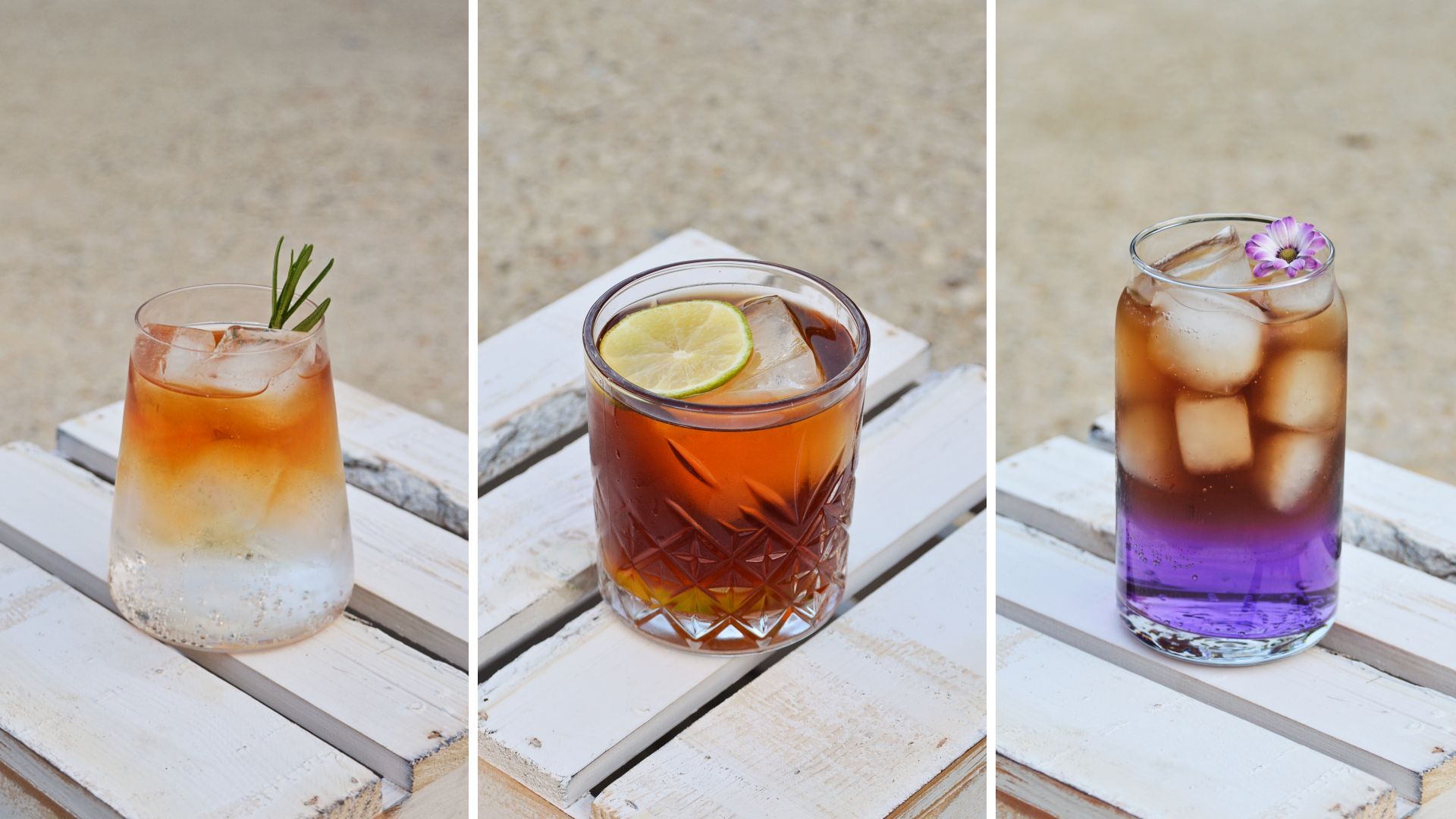
Matcha, kombucha, maté… how about cascara? 

In recent years, the market has been flooded with drinks promoting their health benefits. So what makes cascara special and why should you give it a try?

Generally speaking, everyone has different tastes. Choosing the right drink starts with understanding your goal and your taste preferences. Cascara is a natural drink that is quite new in our region, but steadily growing in popularity abroad. It represents an interesting alternative to coffee with a moderate amount of caffeine, which will give you energy gradually and without the “coffee crash” typical of coffee. Its slightly sweet taste is popular among all age groups and its natural antioxidant content is just a bonus :)

You can prepare cascara in different forms: either as a hot tea or a cold drink. Thanks to its fruity taste, it does not need to be additionally sweetened and is therefore delicious even without sugar.

Go ahead and try cascara in a form you like the most: discover our products and start experimenting!
Read article
What is cascara? A favourite drink of coffee and tea lovers

Shhh… Have you heard of cascara? Or the term coffee cherry tea? Qishr in Yemen, Sultana in Bolivia or Hatara in Ethiopia – all of these drinks have one thing in common: they are made from cascara, the dried skin and pulp of coffee cherries and they have been enjoyed in these countries for centuries. In Europe, it has only started becoming popular in recent years. So what is cascara and is it worth trying?

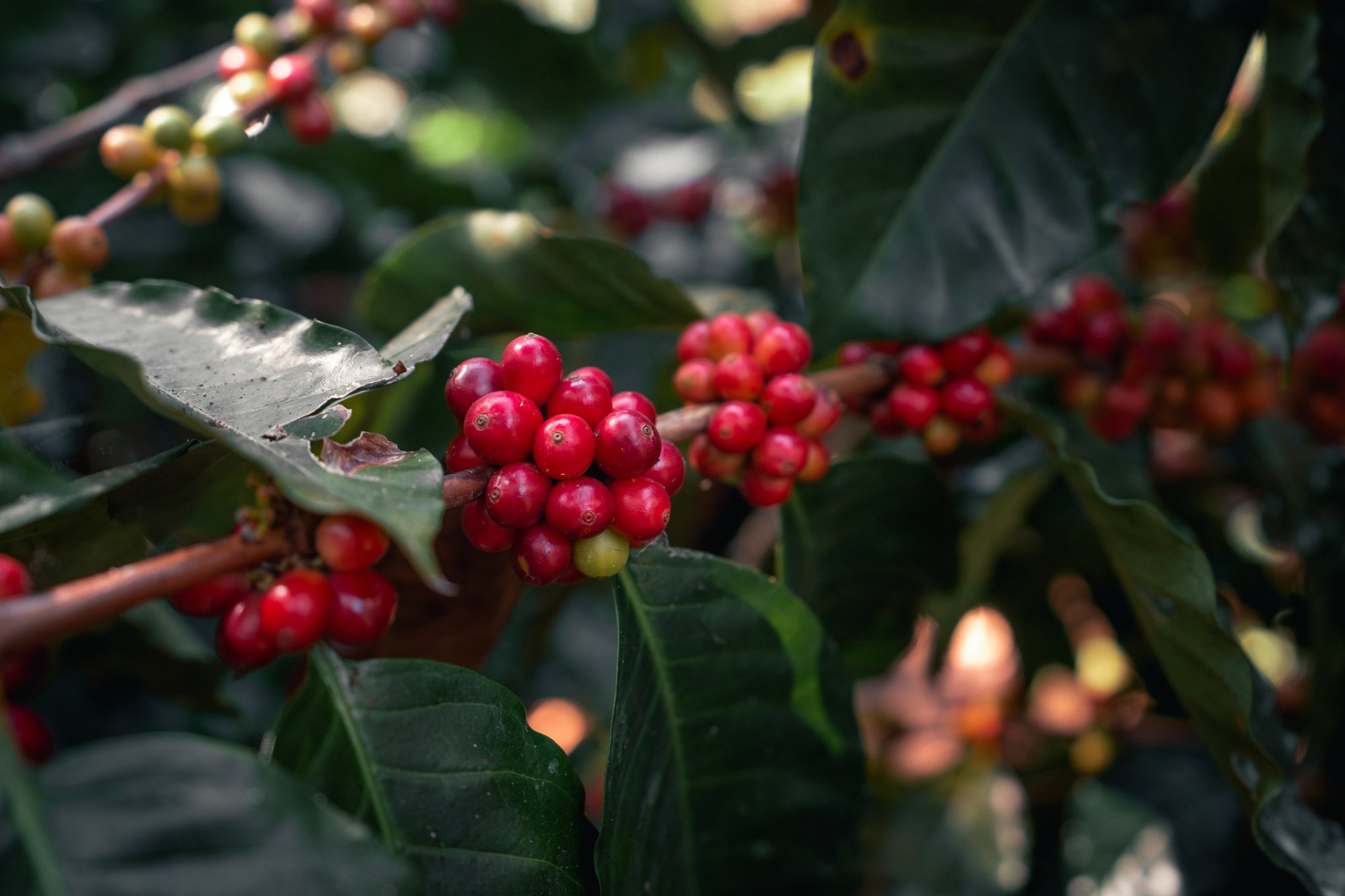
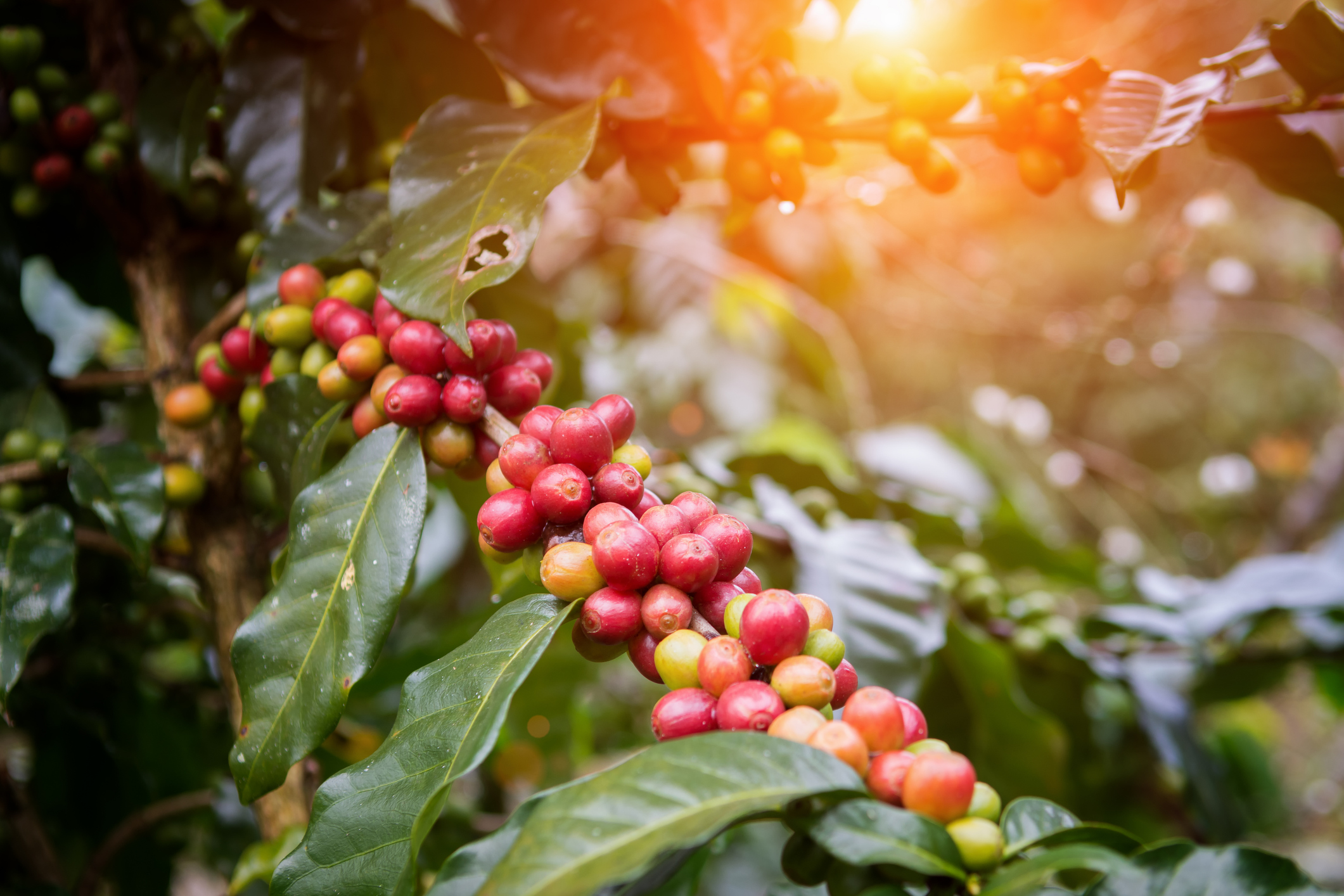
Cascara (from the Spanish word "cáscara", meaning husk) comes from the coffee plant, a green bush with white flowers – just like the world-famous coffee. Ripe coffee cherries – the fruits of the coffee plant – range in colour from yellow to red and dark red. Inside, they contain coffee beans, and once these are removed, they leave a skin and pulp full of antioxidants. Cascara is essentially the skin and the pulp of coffee cherries that are dried, either under the sun, in the shade or in a machine. For many years, cascara remained largely unknown in our region. However, thanks to its unique taste and many benefits, it gradually began to grow in popularity in numerous countries, offering local farmers an additional income. 

In Europe, you can enjoy cascara in the form of a drink. Unlike loose leaf teas, dried cascara has a woody texture, reminiscent of nut shells. So what does cascara taste like? Its flavour leans more toward tea than coffee – with a fruity profile of rose hips, hibiscus or raspberries, complemented by gentle notes of citrus or tobacco. It contains natural caffeine, but in significantly smaller amounts than coffee. This gives you energy and at the same time allows you to enjoy it multiple times a day: either in the form of a hot drink or as a cold alternative.

Whether you’re a tea lover, a coffee enthusiast craving a new twist, or simply someone who loves trying new flavours, KOFFICHERRY cascara is the drink you definitely need to try. Browse our selection and choose from a variety of cascara teas, or try cascara syrup  – perfect for making refreshing homemade iced tea or lemonade, (not just) on hot days.

The unique taste of cascara – or coffee cherry tea – is slowly starting to appear in coffee shops all around the world and its benefits are the subject of many studies. These highlight its rich amount of natural antioxidants, polyphenols, vitamins and minerals, which makes it beneficial in supporting immunity, anti-inflammatory activity in the body and many other processes. A huge advantage of consuming cascara is, last but not least, supporting the environment. How? Using cascara, a by-product of coffee, supports the zero-waste concept while also helping farmers in their efforts to grow high-quality organic coffee. Therefore, buying cascara lets you fully unlock the potential of the coffee plant.

Have you already tried cascara? Try our flavoured versions Cascara with cinnamon & ginger or a refreshing Cascara with lemongrass.


Read article

Listing controls

2 items total